






Land Market Slows, but Activity Remains High
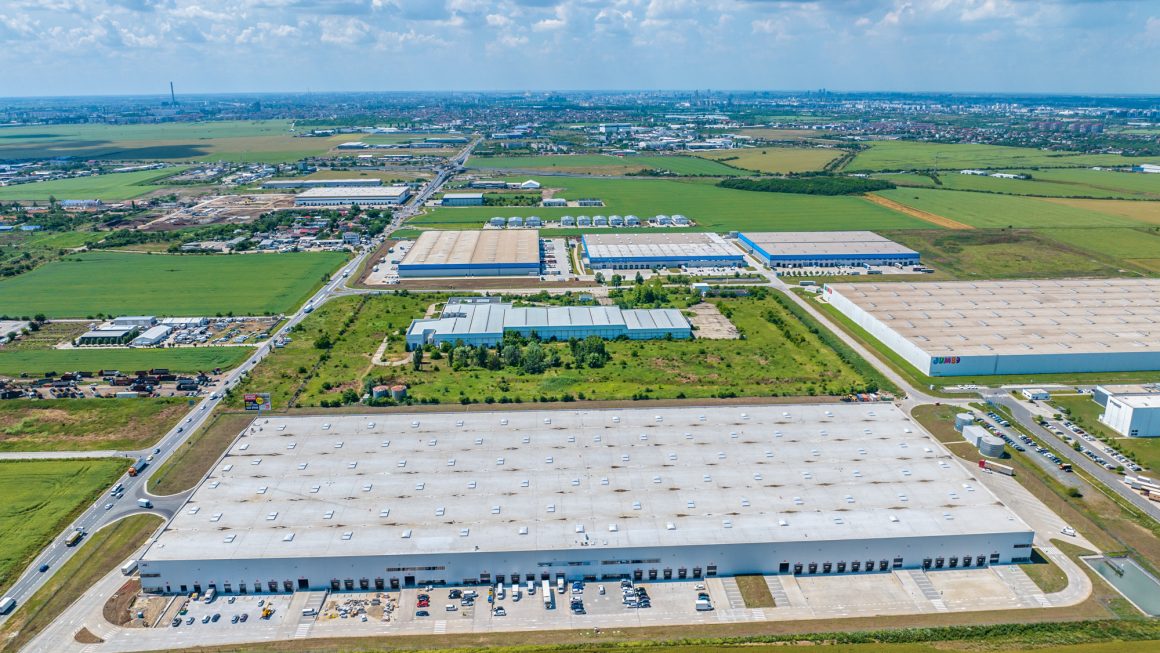
Romania’s land market had a slower first half of 2026, with few major transactions completed but numerous projects under negotiation or at the pre-contract stage. According to Colliers, uncertainties surrounding energy costs, construction budgets, and the political context have led investors to assess opportunities more carefully.
However, the market is not at a standstill. Developers who identify well-positioned land with advanced urban planning documentation and clear prospects for obtaining permits are willing to pay more. In such cases, prices can increase by 5%-10% at specific locations compared with the previous year.
Retail and Residential Attract the Most Interest
Retail Remains the Most Active Segment
Demand for land intended for retail projects remains high nationwide. Retailers, FMCG operators, and developers continue to seek locations for new projects, including in cities where small and medium-sized retail formats can meet local demand.
Residential Developers Expand Their Search
Residential remains the second major area of interest. In addition to Bucharest, developers are increasingly examining regional cities, where competition may be lower. At the same time, new international investors are showing interest in land, while the difficulties faced by some local developers may create opportunities for partnerships and new market entrants.
Buyers Have a Stronger Position in Negotiations
The supply of land available for sale is increasing, with more institutional and foreign investors among the sellers. Some are seeking to release capital, while others believe that the price appreciation seen in recent years creates a suitable time to sell.
In this context, buyers are negotiating price and payment terms more carefully. Transactions involving staggered payments, including those conditional on obtaining a building permit, are becoming more common and reducing risks for investors.
Developers Are Positioning Themselves for 2027-2028
Infrastructure and permitting remain decisive factors. In Bucharest, infrastructure projects such as the A0 motorway may increase interest in certain land plots, while the impact of metro expansion is more differentiated.
According to Colliers, transactions completed in 2026 will not necessarily reflect the market’s immediate direction. Land purchased or secured now may support projects delivered in 2027-2028, following the completion of permitting, financing, and construction stages. Thus, current activity indicates a market in which developers are already positioning themselves for the next real estate cycle.