







AI is transforming Romania’s real estate market: buildings and cities become smarter and more flexible
Artificial intelligence is redefining how buildings are designed, operated, and evaluated, influencing demand and investment in Romania’s office, retail, and logistics markets.
According to the report “The Impact of AI on the Real Estate Market” by Cushman & Wakefield Echinox, the adoption of AI technologies is beginning to fundamentally change tenant and investor requirements. In the office sector, buildings are increasingly assessed for their ability to support high-value interactions, efficient collaboration, and robust digital infrastructure rather than for total floor area. This shift accentuates polarization between adaptable assets, which offer flexibility and connectivity, and rigid ones, which may face risks from automation.
In retail, AI is transforming stores into integrated ecosystems where customer experience, logistics, and services are interconnected. Commercial spaces capable of supporting multiple functions—sales, delivery, returns, services—become more attractive, while traditional formats lose relevance.
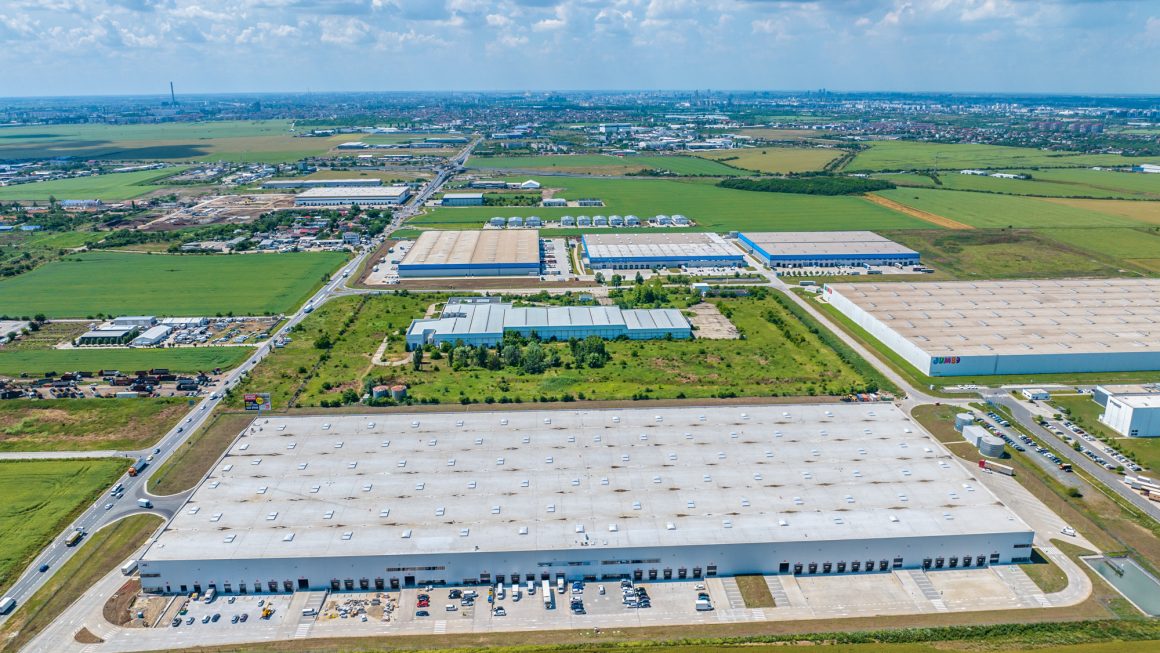
The logistics and industrial sector is becoming more dynamic, with warehouses able to redistribute goods in real time and support more efficient supply chains. Strategic location, infrastructure access, and technical capacity are essential factors in maintaining long-term competitiveness.
At the urban level, AI accentuates differences between cities and zones, and digital infrastructure, mobility, and administrative efficiency become major competitive advantages, attracting investment and shaping urban development.
“Artificial intelligence does not only change how buildings operate, but also the logic of demand in the real estate market. Owners and investors must consider flexibility and connectivity to remain relevant. AI is a catalyst for change, not an isolated trend,” explains Vlad Săftoiu, Head of Research at Cushman & Wakefield Echinox.
The report emphasizes that future competitiveness of Romania’s real estate market will depend on assets’ ability to support adaptive work models, solid digital infrastructure, and diverse uses, while collaboration between the public and private sectors becomes essential for integrated urban development.