



STRABAG Integrates Its Construction Materials Business
STRABAG has launched the umbrella brand roxit, bringing together its construction materials production, processing, and recycling activities. The decision comes as the European construction industry faces mounting pressure from rising costs, supply chain volatility, and increasingly stringent sustainability and resource efficiency requirements.
The new structure is designed to integrate the key stages of the construction materials lifecycle, from raw material extraction and production to recycling and material reuse.
Extensive European Network and Consolidated Industrial Capabilities
Operations in 12 Countries and More Than 300 Locations
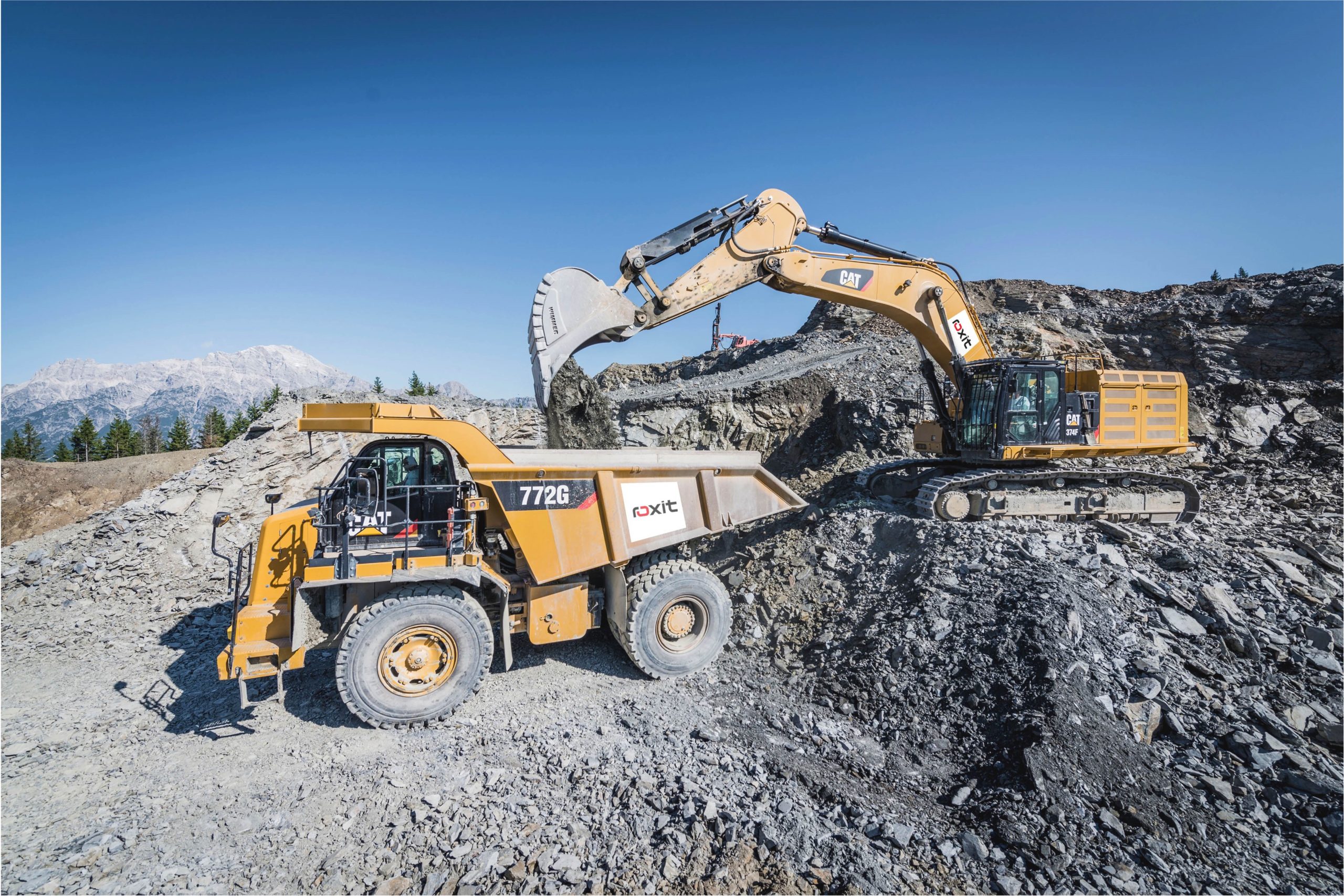
Under the roxit brand, STRABAG combines operations across more than 300 locations in 12 countries. The division operates 116 concrete plants, more than 70 quarries, 17 sand and gravel extraction sites, and several production facilities for bitumen emulsions and polymer-modified bitumen.
Every year, the company’s infrastructure produces approximately 3 million cubic metres of concrete and 24 million tonnes of stone and gravel, supporting construction and infrastructure projects across the markets in which the Group operates.
Focus on Supply Security
According to the company, integrating these operations under a single brand is intended to improve efficiency and ensure a reliable supply of construction materials, even during periods of market volatility. Its own industrial network and production capacities enable more efficient management of procurement and distribution.
Investments in Recycling and Low-Carbon Technologies
A central element of the roxit strategy is reducing the company’s carbon footprint while advancing the circular economy. STRABAG is implementing construction material recycling solutions, developing pilot projects for low-carbon concrete, and investing in alternative technologies to power heavy equipment.
Among the initiatives are the use of solar energy at aggregate production sites, the electrification of machinery, and the testing of heavy equipment powered by green hydrogen.
At the same time, STRABAG is developing projects in Vienna dedicated to alternative construction materials, testing hemp-, wool-, clay-, and recycled-material solutions under real-life conditions. The initiative is part of the company’s strategy to accelerate the adoption of sustainable building materials and reduce the consumption of natural resources across the construction sector.