








Romanians Acknowledge the Risks of Life Without Insurance, but Most Remain Financially Vulnerable
A survey conducted by Allianz-Țiriac Asigurări shows that nearly 57% of Romanians consider living without insurance risky, yet only one in five estimates that they could cover unexpected expenses in an emergency, highlighting a significant gap in financial protection.
Although most Romanians recognize the risks associated with living without coverage, actual insurance levels remain low. The online survey of 1,036 respondents reveals that 90% feel vulnerable to unforeseen events such as accidents, health issues, loss of income, or the death of a family member. Under these circumstances, four out of five respondents acknowledge they would be financially affected, even though roughly 45% report having personal savings.
The protection gap translates into substantial sums required to manage emergencies. Nearly two-thirds estimate they would need at least RON 5,000, while a quarter believe between RON 50,000 and over RON 150,000 would be necessary. Market analyses by UNSAR indicate that a family would need, on average, over RON 165,000 to maintain its standard of living without financial difficulties—an increase of approximately 7% from the previous year.
Actual availability of resources is limited: only 17.5% of respondents say they could access the full amount required, and another 12.7% could cover at least half. Most could only partially cope, while nearly 20% have no resources at all.
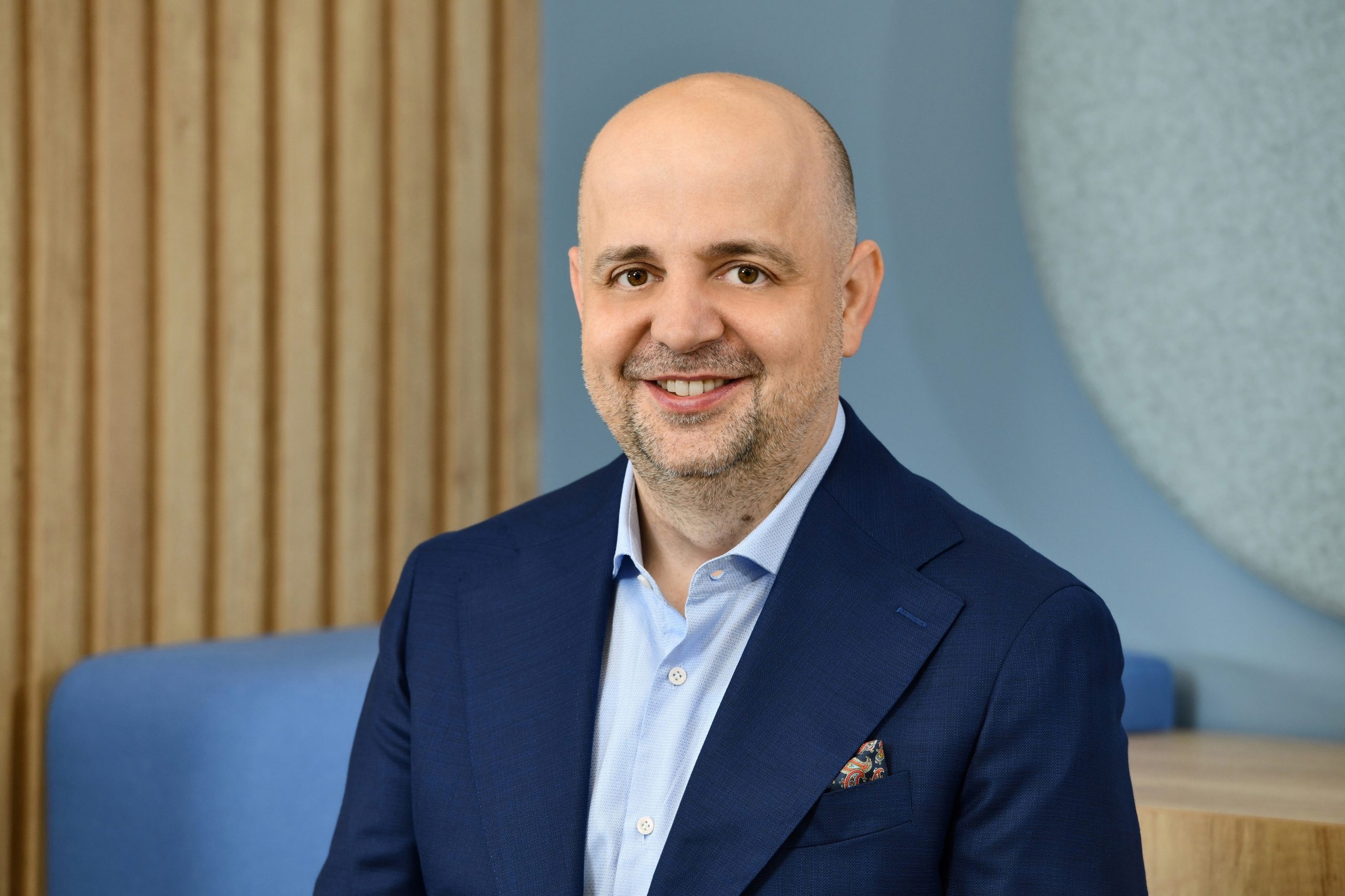
“An uninsured Romania is a vulnerable Romania. People are aware of risks, but without proper protection, many face financial difficulties during unexpected events. The role of insurance is to assume this burden, and our role as an industry is to increase protection levels through simple and accessible products,” explains Virgil Șoncutean.
The study also reveals a divided perception of personal responsibility: only 50% consider themselves fully responsible for their financial resilience, while 37% rely on external support from the state, family, or social protection system.
Regarding main concerns, Romanians report being worried primarily about health loss (29.8%), becoming a burden for family (18.9%), and lack of financial resources for emergencies (18%). Additionally, over 38% avoided visiting a doctor in the past two years due to costs, and more than half would rely on public hospitals in the case of serious illness, even though only 17% feel protected through social contributions.
The survey shows that over two-thirds of Romanians (67.6%) consider health insurance the main protection element. If they could insure only one aspect of life over the next ten years, over 50% would choose health, followed by financial stability (23.7%) and the safety of loved ones (17.2%).
Respondent demographics indicate a predominantly young-adult sample, 53% male, aged 18–44, with over 56% reporting monthly incomes above RON 4,000, suggesting that risk perception and the financial protection gap are widespread across population segments.
Related Posts

Schneider Electric Strengthens Its ESG Reputation with Top Results in Global Sustainability Assessments
Early-Year Salaries: IT Remains on Top, While Crewing & Casino Unexpectedly Climb the Income Rankings