








Leadership Change at Salt Bank: Robert Anghel Becomes CEO, Gabriela Nistor Joins the Board of Directors
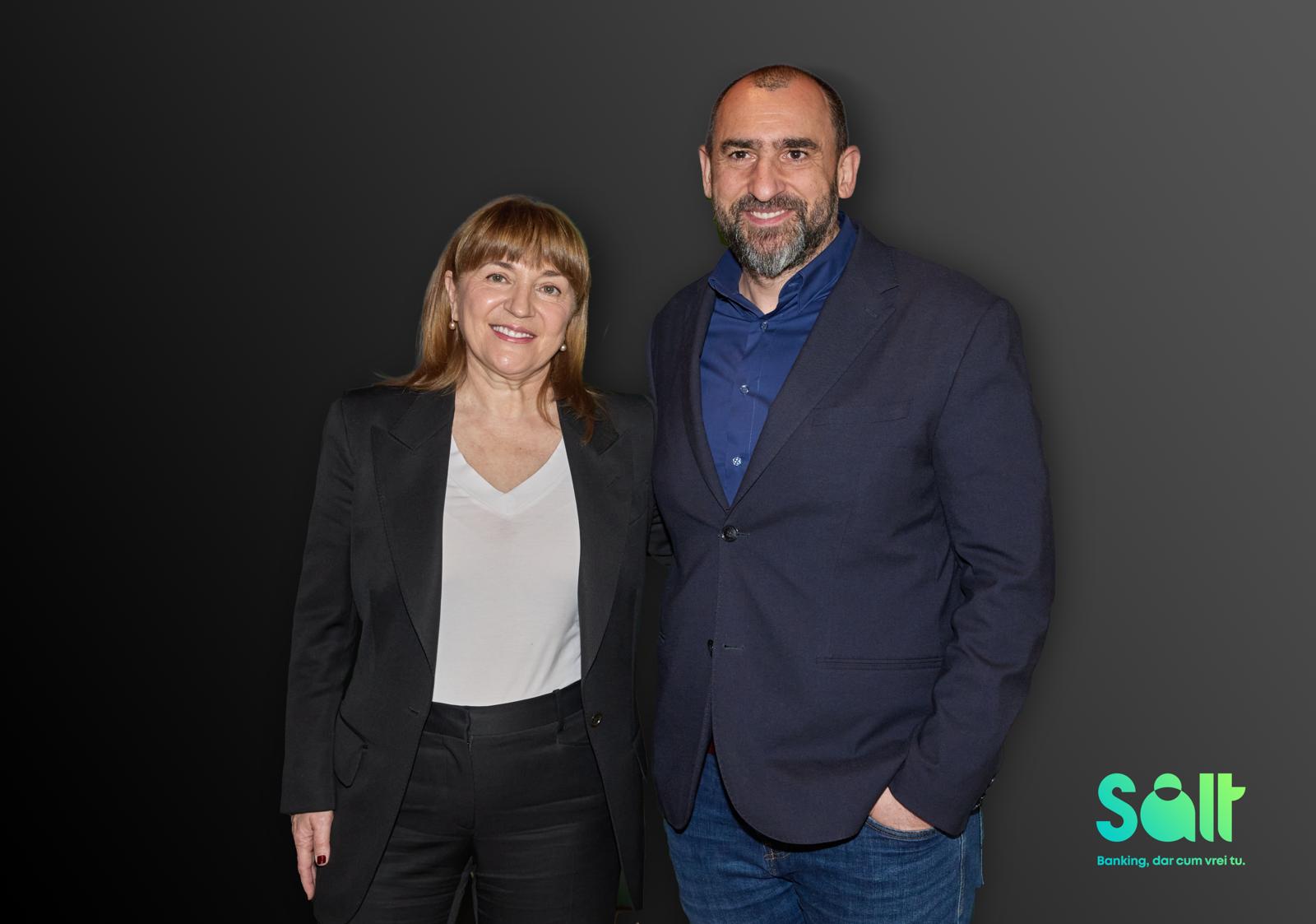
Salt Bank has announced a planned leadership transition: Robert Anghel takes over as Chief Executive Officer, while Gabriela Nistor, who led the launch of the digital bank in 2024, will remain involved in the institution’s strategy as a member of the Board of Directors.
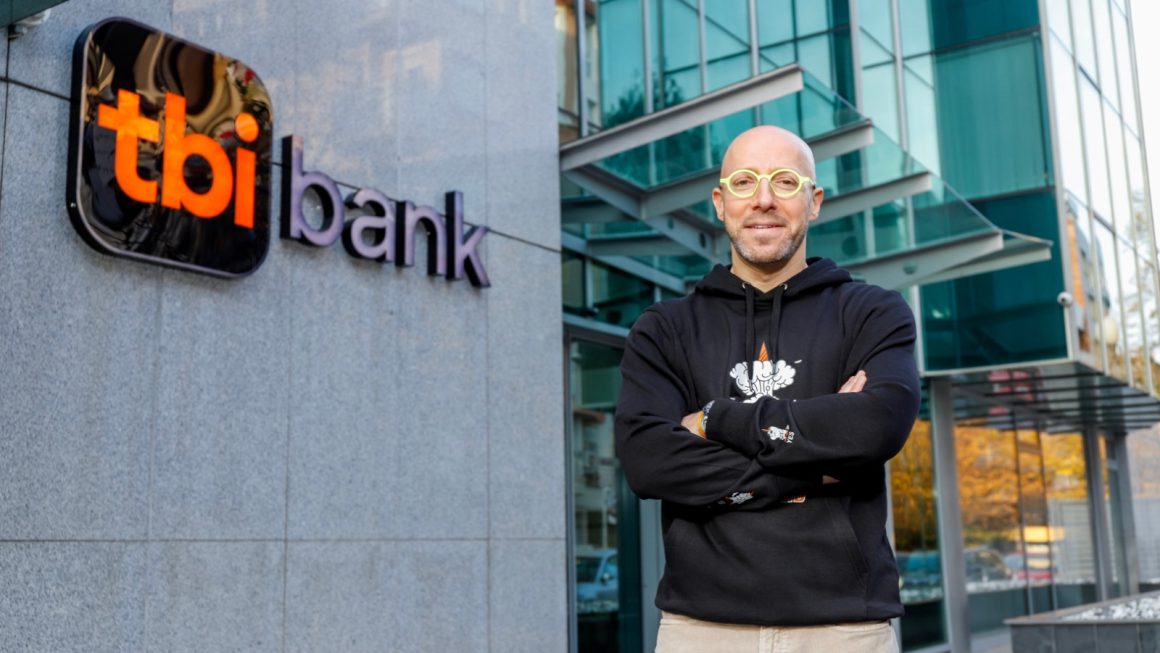
The Romanian digital bank Salt Bank is undergoing a leadership transition less than two years after its operational launch. Robert Anghel, until recently Chief Business Officer, has been appointed CEO, taking over the leadership of the institution in a process prepared internally. Gabriela Nistor, who led the project from the construction phase to market entry, will remain involved in the bank’s strategic direction as a member of the Board of Directors.
Anghel’s appointment reflects the continuity of a management team involved in the bank’s early development. With more than 25 years of experience in digital transformation and financial services, he has been one of the architects of the bank’s business model, coordinating the commercial area and product development both before and after the official launch.
Salt Bank was launched on the market on April 4, 2024, under the leadership of Gabriela Nistor, following a preparation process that began in 2022. The institution is presented as the first Romanian bank built entirely on a digital model, without a traditional branch network.
From launch until now, the bank has attracted more than 700,000 customers, according to data communicated by the institution. This growth has placed Salt Bank among the top ten banks in Romania by number of customers, according to information provided by the company. The operations are supported by a team of more than 400 employees.
For Gabriela Nistor, the move to the Board of Directors represents a transition after three decades spent in the banking sector. She led the Salt Bank project from the concept phase to its official launch and remains involved in the institution’s strategic decisions.
The new CEO has indicated that the priorities for 2026 include consolidating existing products and expanding the base of active customers. Plans also include developing the lending segment, expanding investment offerings, and introducing accounts dedicated to companies.
According to the management team, the strategy aims for the bank’s mobile application to offer a full range of financial services by the end of the year, comparable to the offering of a mature banking institution.
Salt Bank’s evolution reflects the dynamics of the digital banking segment in Romania, where financial institutions are investing in mobile platforms, automation, and digital customer experience. The rapid growth in the number of users of digital financial services has prompted both traditional banks and new institutions to accelerate the development of online products.
The leadership change comes at a time when Salt Bank aims to move from the rapid launch phase to consolidating its operational model and expanding its product portfolio. The continuity of the management team suggests that the institution’s strategic direction will remain unchanged, at least in the short term.