










Bucharest enters the luxury retail map: sales exceed €150 million while Europe slows down
Romania’s capital is emerging as a growing market for luxury brands, in a European context marked by moderate growth and strategic repositioning.
The luxury retail market in Bucharest has surpassed €150 million in annual sales, double compared to 2019, according to Cushman & Wakefield Echinox analysis. This evolution contrasts with the European trend, where the segment grew by only 0.5% in 2025, signaling a period of demand adjustment.
Local growth is supported by structural factors: above-average wages, a metropolitan population of over 2.3 million inhabitants, and a recovery in tourism — more than one million foreign visitors spent at least one night in the capital last year. In this context, Bucharest is becoming the main entry point for international brands into Romania.
Areas such as Calea Victoriei concentrate recent expansion, with rents exceeding €100/sqm/month for premium spaces. Developments such as the TOFF gallery in Știrbei Palace or the presence of five-star hotels have strengthened the area’s profile as a high-end retail destination. At the same time, Calea Dorobanți is attracting brands targeting high-income local consumers, benefiting from proximity to the northern office hub.
At the European level, established cities such as Paris, London, and Milan continue to dominate expansion, but limited availability of space keeps upward pressure on rents. Meanwhile, major groups, including LVMH and Kering, are focusing investments on flagship stores and concepts that integrate retail with personalized experiences.
In the medium term, Cushman & Wakefield estimates annual growth of around 3% in luxury sales in Europe by 2030. In this context, Bucharest benefits from a key emerging-market advantage: growing demand and limited supply of ultra-prime spaces, which will continue to support both brand expansion and rental levels in prime locations.
Related Posts

Apartment transactions in Bucharest drop nearly 19% in the first two months of the year amid permit shortages and high construction costs
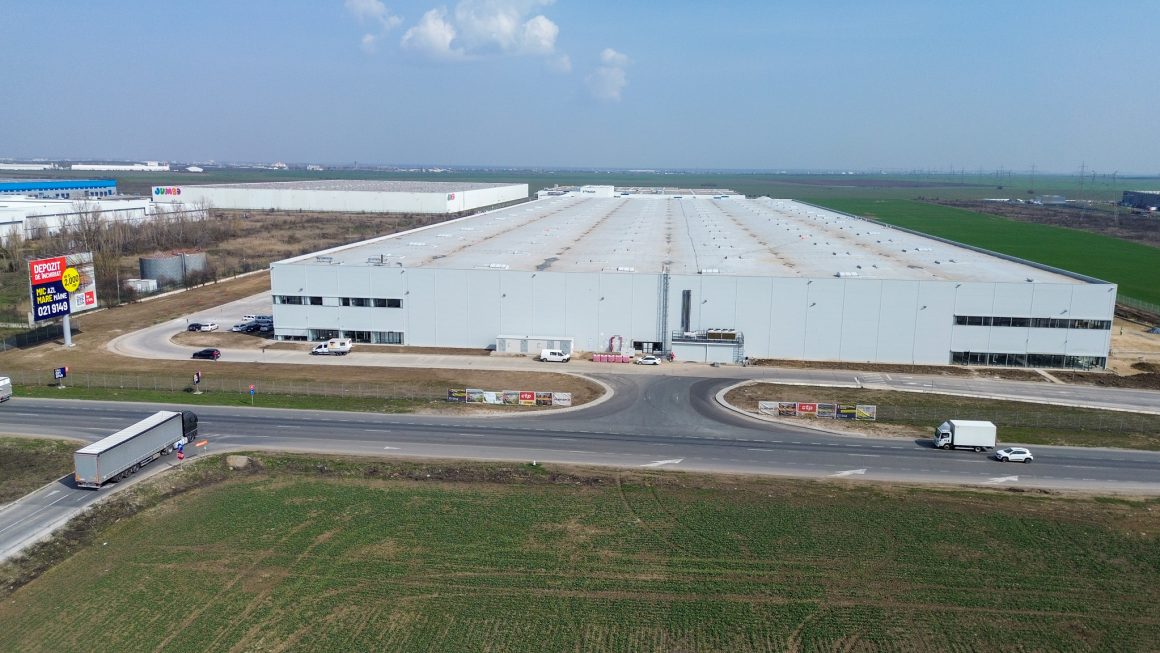
Hranipex leases 3,000 sqm in CTPark Bucharest South to expand operations